

History
-
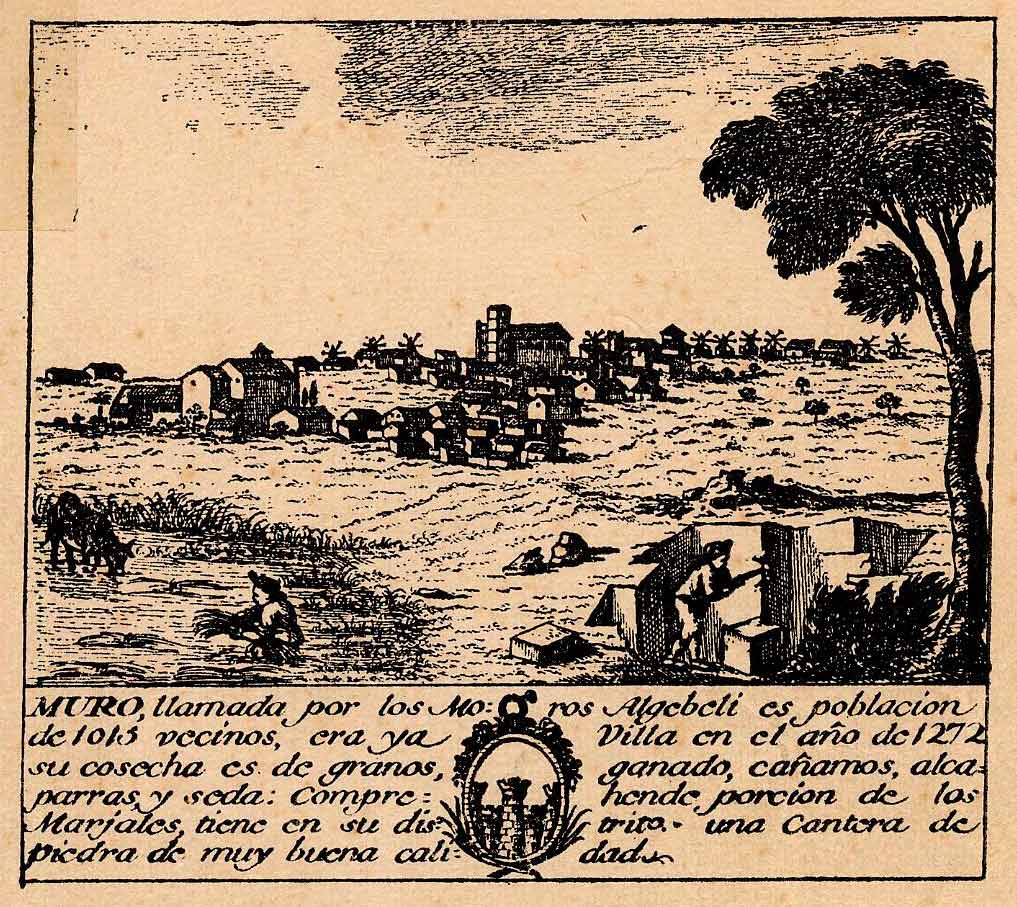
The origins of Muro date back to prehistoric times. This era is reflected in archaeological sites such as Es Fiters. During the Roman era, Muro was part of Pollentia and was an important enclave for trade and agriculture. Under Muslim rule, it became a significant agricultural and livestock center.
The conquest of Mallorca by King Jaume I of Aragó in the 13th century marked a significant change in the history of Muro. The municipality became part of the Regne de Mallorca, and the Muslim population was gradually replaced by Christian settlers. During the Renaissance, Muro experienced a period of growth and prosperity, with the construction of churches and manor houses that are still preserved today.
-
Throughout the centuries, Muro has witnessed various conflicts and political changes, but it has managed to maintain its traditional character and cultural heritage.
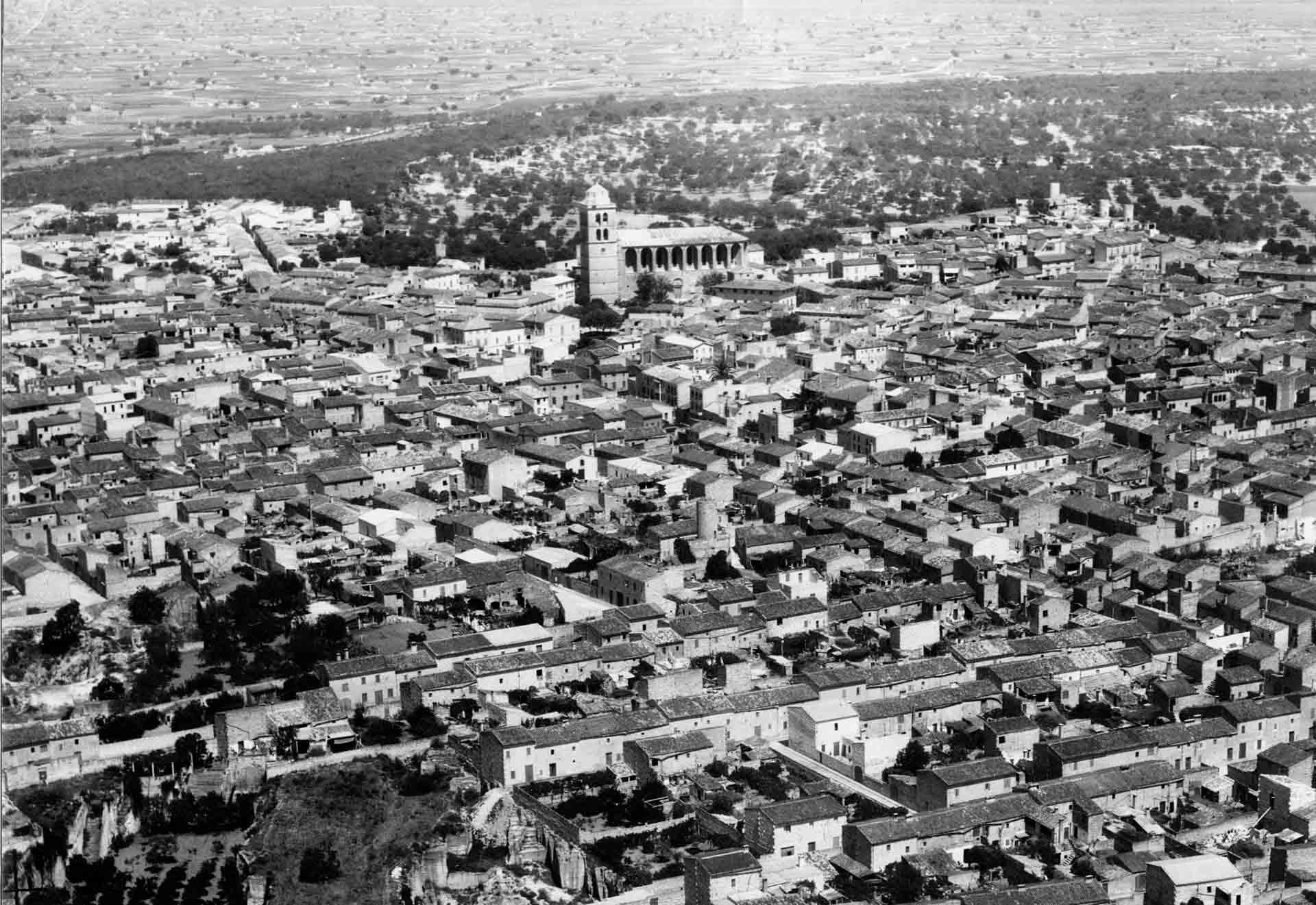
The urban and architectural appearance of the current town of Muro dates back to the years immediately following the Catalan conquest of 1229 and is the result of centuries of urban and building evolution. The lords of the Catalan conquest of 1229 initially occupied the area closest to the Riba to build their large houses; the neighborhood has been known since then as the Comtat. Over the centuries, the center grew and new neighborhoods were formed as the population increased: the neighborhood of Son Moro, Es Colomer, Porrassar, Son Font, Poble Nou. Later, in the second half of the 20th century, the Comunes de Can Fiol, Can Oliver, and the industrial areas of Marjals were added.